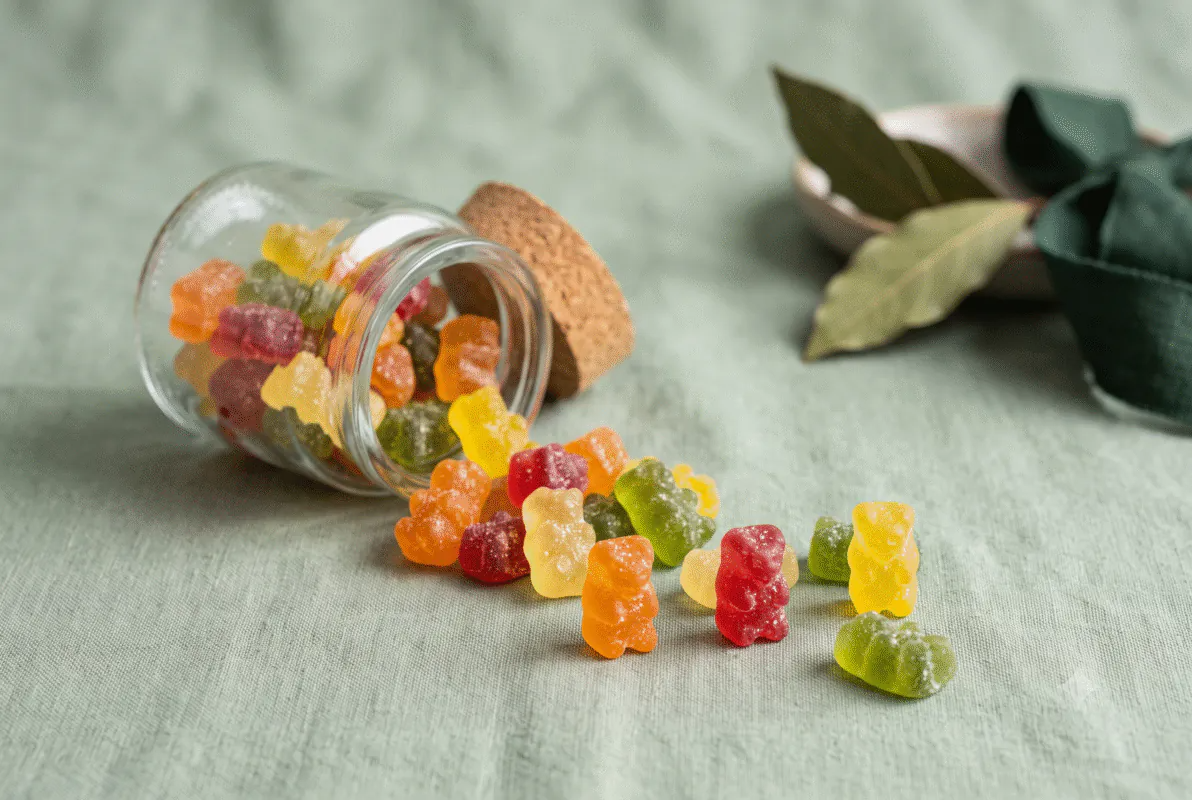
In recent years, the interest in natural supplements and holistic health solutions has surged, leading to an increased focus on mushroom gummies as a popular dietary supplement. As we look ahead to 2026, understanding the legal landscape surrounding mushroom gummies becomes essential for consumers, manufacturers, and retailers alike. This comprehensive guide aims to elucidate the laws governing these products, ensuring informed decisions are made within this evolving market.
Mushroom gummies have gained traction due to their purported health benefits derived from various fungi species like reishi, lion’s mane, and chaga. These mushrooms are known check this article for their potential immune-boosting properties and cognitive enhancement capabilities. However, with this popularity comes a need for regulatory oversight to ensure consumer safety and product efficacy.
As of 2026, the regulation of mushroom gummies falls under several jurisdictions depending on geographical location. In the United States, these supplements are primarily regulated by the Food and Drug Administration (FDA) under the Dietary Supplement Health and Education Act of 1994 (DSHEA). This act classifies them as dietary supplements rather than pharmaceuticals or food additives. Consequently, manufacturers must adhere to labeling requirements that prohibit claims about curing or treating diseases unless substantiated by scientific evidence.
Furthermore, each state may impose additional regulations concerning manufacturing practices or sales restrictions based on local health policies. For instance, some states might require third-party testing for contaminants such as heavy metals or pesticides before products reach consumers.
In Europe, mushroom gummies fall under the Novel Foods Regulation if they contain ingredients not widely consumed prior to May 1997. Companies must go through a pre-market authorization process demonstrating safety before entering EU markets legally. The European Food Safety Authority (EFSA) plays a pivotal role here by evaluating applications submitted by businesses seeking approval for novel foods status.